


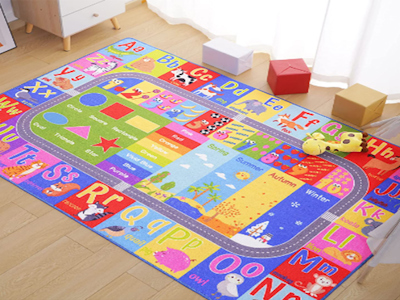
В современном мире, где образование становится ключевым фактором успеха, каждый родитель стремится обеспечить своему ребенку наилучшие возможности для обучения и развития. Эта статья углубляется в концепцию совершенства в образовании, предлагая инсайты, стратегии и практические советы, которые помогут вашему ребенку раскрыть свой полный потенциал. Мы рассмотрим все: от выбора правильной образовательной среды до инновационных методов обучения и поддержки эмоционального благополучия. Приготовьтесь к глубокому погружению в мир детского образования, которое изменит ваше восприятие и подход к воспитанию.
Введение: Почему совершенство в обучении так важно?
Образование – это не просто процесс получения знаний; это фундамент, на котором строится будущее ребенка. Исследования показывают, что дети, получающие качественное образование, имеют более высокие шансы на успех в карьере, лучшее здоровье и более счастливую жизнь. Но что такое "совершенство" в обучении? Это не только академические достижения, но и развитие критического мышления, творческих способностей, социальных навыков и эмоционального интеллекта. В этой статье мы разберем, как достичь этого баланса, используя научно обоснованные подходы и реальные примеры из практики.
Глава 1: Основы эффективного обучения – Наука и психология
Чтобы понять, как сделать обучение совершенным, важно обратиться к науке. Когнитивная психология, нейробиология и педагогика предлагают ценные инсайты о том, как дети учатся лучше всего. Например, теория множественного интеллекта Говарда Гарднера подчеркивает, что каждый ребенок имеет уникальные сильные стороны – от логико-математического до музыкального интеллекта. Применяя дифференцированное обучение, педагоги и родители могут tailoring методы под индивидуальные потребности ребенка. Кроме того, исследования в области нейропластичности показывают, что мозг ребенка чрезвычайно гибок и может развиваться через опыт и практику. Это означает, что раннее вмешательство и обогащенная среда обучения могут значительно улучшить когнитивные функции. Мы также обсудим роль мотивации: внутренняя мотивация, подпитываемая curiosity и autonomy, часто leads к более глубокому и lasting learning, чем внешние награды. Практические tips: используйте game-based learning, поощряйте questions, и создавайте safe space для ошибок, чтобы foster growth mindset.
Глава 2: Выбор образовательной среды – Школа, домашнее обучение или hybrid?
Один из ключевых decisions для родителей – выбор типа образовательной среды. Традиционные школы предлагают структуру, socialization, и доступ к resources, но могут не подходить для всех детей due to large class sizes или rigid curricula. Домашнее обучение (homeschooling) provides flexibility и personalized attention, но requires significant time и resources от родителей. Hybrid models, такие как online schools или part-time programs, combine the best of both worlds. При выборе, consider factors like learning style ребенка, family schedule, и local educational options. Например, если ваш ребенок thrives в hands-on, experiential learning, ищите школы с project-based curricula. Важно также evaluate school's philosophy – does it align with your values? Посещение open houses, talking to other parents, и reviewing performance data могут помочь в decision-making. Remember, нет one-size-fits-all solution; the goal is to find environment where ваш ребенок feels supported и inspired to learn.
Глава 3: Инновационные методы обучения – Технологии и beyond
Технология revolutionized education, offering tools like interactive apps, virtual reality, и online platforms that make learning engaging и accessible. Например, adaptive learning software adjusts difficulty based on student's performance, providing personalized challenges. Однако, technology should complement, not replace, traditional methods. Blended learning, which combines online и offline activities, can enhance engagement. Beyond tech, innovative approaches like Montessori или Waldorf education emphasize child-led learning и holistic development. Project-based learning, where students work on real-world problems, fosters critical thinking и collaboration. Practical advice: incorporate educational games, use videos для visual learners, и encourage coding или robotics to build STEM skills. Но balance screen time with physical activities и face-to-face interactions to avoid digital overload. The key is to integrate technology thoughtfully, ensuring it serves educational goals rather than distracts.
Глава 4: Роль родителей в обучении – Поддержка и involvement
Родители играют crucial role in their child's education, acting as first teachers и lifelong supporters. Research shows that parental involvement correlates with higher academic achievement и better behavior. But what does effective involvement look like? It's not about doing homework for your child, but rather creating a supportive home environment. Establish routines for study time, provide resources like books и educational toys, и show interest in what your child is learning. Communicate regularly with teachers to stay informed about progress и challenges. Encourage a love for learning by reading together, exploring nature, или discussing current events. Also, model positive attitudes towards education – if you value learning, your child likely will too. Be mindful of pressure; too much emphasis on grades can lead to anxiety. Instead, focus on effort и growth. Remember, your role is to guide и inspire, not to control.
Глава 5: Эмоциональное и социальное развитие – Beyond academics
Совершенство в обучении включает не только academic skills, но и emotional intelligence (EQ) и social competencies. Children with high EQ are better at managing emotions, empathizing with others, и resolving conflicts – skills essential for success in life. Schools и parents can foster this through social-emotional learning (SEL) programs that teach self-awareness, self-management, social awareness, relationship skills, и responsible decision-making. Activities like group projects, role-playing, или mindfulness exercises can help. Also, ensure your child has opportunities for play и friendship, as social interactions are key to development. Address issues like bullying или anxiety promptly, providing support through counseling если needed. A balanced approach that values well-being alongside academics leads to happier, more resilient children.
Глава 6: Специальные потребности и инклюзивность – Образование для всех
Every child deserves access to quality education, regardless of abilities или backgrounds. Inclusive education integrates students with special needs into mainstream classrooms, promoting diversity и empathy. This requires adaptations like individualized education plans (IEPs), assistive technology, и trained staff. Parents of children with disabilities should advocate for their rights и collaborate with schools to ensure needs are met. Additionally, consider cultural и linguistic diversity; bilingual education может enrich learning experiences. Resources like tutoring, therapy, или support groups can provide extra help. The goal is to create an environment where all children feel valued и capable of achieving their best.
Глава 7: Будущее образования – Тренды и predictions
Education is evolving rapidly, driven by technology, globalization, и changing societal needs. Future trends include personalized learning paths using AI, greater emphasis on soft skills like creativity и adaptability, и global collaboration through online platforms. Sustainability education is becoming important to address environmental challenges. As parents и educators, staying informed about these trends can help prepare children for the future. Encourage lifelong learning – the ability to adapt и learn new skills will be crucial in a fast-changing world.
Заключение: Ваш путь к совершенству в обучении
Достижение совершенства в обучении вашего ребенка – это journey, а не destination. Это требует commitment, flexibility, и continuous learning от вас как родителя. By focusing on holistic development, leveraging innovative methods, и fostering a supportive environment, вы можете помочь вашему ребенку thrive. Remember, every child is unique; tailor your approach to their strengths и interests. Invest in their education – it's one of the greatest gifts you can give. Start today by implementing small changes: read together, explore new subjects, или talk to their teacher. Together, мы можем создать brighter future для следующего поколения.
Спасибо за чтение! Для дальнейших resources, посетите образовательные websites или проконсультируйтесь с local educators.
 1388xx888xx