

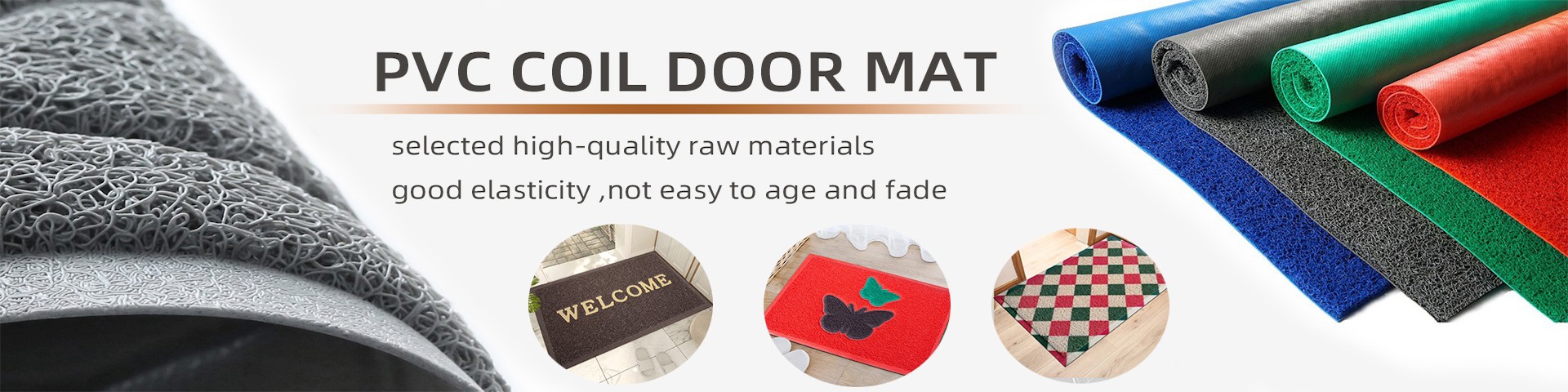

В последние годы медицинская отрасль сталкивается с растущими вызовами в области инфекционного контроля. С увеличением числа внутрибольничных инфекций и устойчивостью бактерий к антибиотикам, возникает насущная потребность в инновационных решениях. Одним из таких прорывов стал уникальный антибактериальный госпитальный коврик. Но действительно ли он представляет собой революцию в гигиене? В этой статье мы подробно рассмотрим этот продукт, зададим ключевые вопросы и проанализируем его потенциальное влияние на здравоохранение.
Что такое антибактериальный госпитальный коврик и как он работает?
Антибактериальный госпитальный коврик — это специализированное покрытие, разработанное для использования в медицинских учреждениях, таких как больницы, клиники и операционные. Его основная функция — предотвращение распространения патогенных микроорганизмов через поверхности пола. Коврик изготовлен из материалов, импрегнированных антимикробными агентами, например, ионами серебра или медью, которые активно уничтожают бактерии, вирусы и грибки при контакте.
Но как именно работает этот механизм? Антибактериальные свойства достигаются за счет высвобождения ионов, которые нарушают клеточные мембраны микроорганизмов, приводя к их гибели. Это не просто пассивный барьер, а активная система защиты. Исследования показывают, что такие коврики могут снижать bacterial load на поверхности до 99,9% в течение нескольких минут. Однако, насколько это эффективно в реальных условиях больницы? Зависит ли эффективность от частоты использования или типа покрытия?
Кроме того, коврики часто обладают дополнительными features, такими как влагостойкость, легкость в очистке и долговечность. Они предназначены для зон высокого риска, например, входов в операционные или палаты интенсивной терапии, где чистота критически важна. Но возникает вопрос: не могут ли эти материалы выделять вредные вещества при длительном использовании? И как они взаимодействуют с стандартными дезинфицирующими средствами?
Почему гигиена в госпиталях так важна и каковы текущие проблемы?
Гигиена в медицинских учреждениях — это не просто вопрос комфорта, а жизненно важный аспект patient safety. Внутрибольничные инфекции (HAIs) affect millions of patients worldwide annually, leading to prolonged hospital stays, increased healthcare costs, and even mortality. According to the World Health Organization, HAIs are a major public health concern, with rates ranging from 5% to 10% in developed countries and higher in resource-limited settings.
Традиционные методы гигиены, такие как регулярная уборка и использование дезинфицирующих средств, often fall short due to human error, high turnover of patients, and the resilience of pathogens. Floors, in particular, are hotspots for microbial contamination, as they can harbor bacteria from shoes, equipment, and airborne particles. This is where anti-bacterial mats come into play. But are they a sufficient solution on their own, or do they need to be part of a broader infection control strategy?
Current challenges include the emergence of multi-drug resistant organisms, which require more aggressive approaches. Additionally, economic constraints in healthcare systems may limit the adoption of new technologies. So, how can anti-bacterial mats address these issues? Do they offer a cost-effective alternative to frequent cleaning, and what is their return on investment in terms of reduced infection rates?
Каковы преимущества антибактериального коврика по сравнению с традиционными методами?
Антибактериальные коврики предлагают several advantages over conventional hygiene practices. First, they provide continuous protection, unlike periodic cleaning which leaves gaps for contamination. Second, they are easy to install and maintain, often requiring only occasional wiping or replacement. Third, they can be customized for specific environments, such as areas with high foot traffic or specific microbial threats.
For instance, in a study conducted in a hospital setting, the use of anti-bacterial mats led to a significant reduction in Staphylococcus aureus and E. coli on floors. This translates to lower transmission risks for patients and staff. Moreover, these mats can enhance the overall aesthetic of a facility while promoting a culture of cleanliness. But are there any downsides? For example, could they cause allergic reactions or skin irritations in sensitive individuals? And how do they perform under extreme conditions, such as spills of bodily fluids?
Another benefit is their potential to reduce the use of harsh chemicals, which is better for the environment and human health. However, this raises questions about the sustainability of the materials used. Are they recyclable or biodegradable? And what is the lifecycle assessment of these products compared to disposable alternatives?
Как интегрировать антибактериальный коврик в существующие системы гигиены?
Integration of anti-bacterial mats into hospital hygiene protocols requires careful planning. It starts with a risk assessment to identify high-priority areas. Then, staff training is essential to ensure proper usage and maintenance. For example, mats should be placed at entry points to critical zones and regularly inspected for wear and tear.
Collaboration with infection control teams is crucial to monitor effectiveness through microbial testing and adjust strategies as needed. But what are the best practices for implementation? Should mats be used in conjunction with other technologies, such as UV disinfection or air purification systems? And how can hospitals measure the impact on infection rates objectively?
Additionally, consider the economic aspect: initial costs might be higher, but long-term savings from reduced infections and cleaning expenses could justify the investment. Case studies from hospitals that have adopted these mats show promising results, but more data is needed for widespread adoption. So, what evidence exists from clinical trials, and are there any regulatory guidelines to follow?
Каковы инновации и будущее антибактериальных ковриков?
The field of anti-bacterial materials is rapidly evolving. Future innovations may include smart mats equipped with sensors to monitor microbial levels in real-time and alert staff when cleaning is needed. Advances in nanotechnology could lead to even more effective and durable coatings.
Moreover, there is potential for integration with IoT (Internet of Things) for data analytics on infection patterns. But what ethical considerations arise from such surveillance? And how can these technologies be made accessible to low-resource settings?
Research is also focusing on developing eco-friendly alternatives, such as mats made from renewable resources with natural antimicrobial properties. This aligns with global trends towards sustainability in healthcare. However, challenges remain in scaling production and ensuring efficacy. So, what role will anti-bacterial mats play in the future of hospital design, and could they become a standard feature in all medical facilities?
Заключение: Революция или эволюция?
В заключение, антибактериальный госпитальный коврик certainly represents a significant step forward in hygiene technology. Its ability to provide continuous, active protection against pathogens addresses key weaknesses in traditional methods. However, it is not a panacea; it should be viewed as part of a comprehensive infection control strategy that includes education, monitoring, and other interventions.
The questions raised in this article highlight the need for ongoing research and practical implementation. Is it a revolution? Perhaps more of an evolution—a smart enhancement to existing practices that can lead to tangible improvements in patient outcomes. As healthcare continues to advance, products like these will play an increasingly important role in safeguarding public health.
Ultimately, the success of anti-bacterial mats depends on collaboration between manufacturers, healthcare providers, and regulators. By addressing the challenges and leveraging innovations, we can move closer to a future where hospital-acquired infections are a rarity rather than a common occurrence.
Ключевые выводы: Антибактериальные коврики offer promising benefits for hospital hygiene, but their effectiveness requires proper integration and monitoring. Future developments could make them even more integral to infection prevention.
Thank you for reading this in-depth exploration. We hope it has provided valuable insights and sparked further discussion on this important topic.
 1388xx888xx